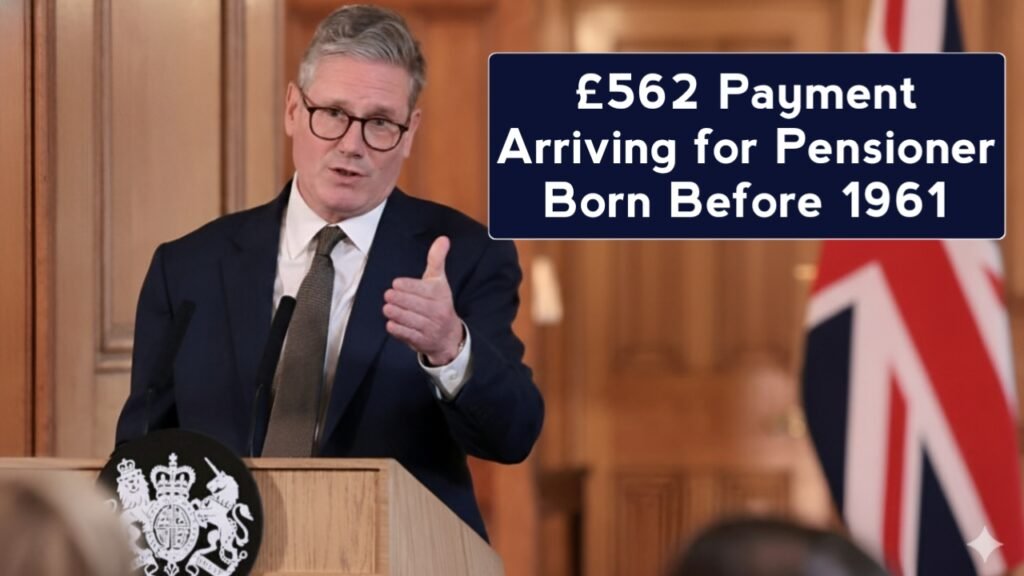
Hello Everyone, The Department for Work and Pensions (DWP) has issued an official update regarding a £562 payment linked to pensioners born before 1961. This announcement has gained significant attention across the United Kingdom as many older citizens look for clarity on cost-of-living support during the winter of 2026. However, it is vital to clarify a major point: there is no single, automatic £562 national payout arriving this month. The figure of £562 is actually very close to the £574.60 annual increase that millions on the New State Pension will receive starting in April 2026. Understanding who qualifies for various supports and how the upcoming rate adjustments work is essential for pensioners planning their finances this year.
The Reality Behind the £562 Figure
It is important to correct the record regarding the rumored £562 payment. While many articles and social media posts mention this specific amount, official DWP data suggests this is a misunderstanding of the upcoming 4.8% increase in the State Pension. Under the “Triple Lock” guarantee, the State Pension is set to rise significantly in April 2026. For those on the Full New State Pension, the weekly rate will go up from £230.25 to £241.30. This results in an extra £11.05 per week, which totals roughly £574.60 over a full year—a figure remarkably similar to the rumored £562 one-off payment. Therefore, for most people, this “payment” is actually a permanent raise in their weekly income rather than a single lump sum arriving in February.
The Strategic Shift: From Lump Sums to Permanent Increases
As we move through 2026, the DWP is shifting its strategy from temporary one-off “Cost of Living” payments to more sustainable, permanent increases via the Triple Lock and benefit uprating. This shift is designed to provide pensioners with long-term financial predictability rather than sporadic relief. By focusing on increasing the baseline weekly pension, the government aims to ensure that the core income of retirees keeps pace with the Average Weekly Earnings (AWE) index, which rose by 4.8% in the relevant period. This structural change means that while the “bonus” payments of previous years might be less common, the guaranteed monthly income for those born before 1961 is reaching its highest level in real terms, offering a more robust defense against future inflation.
Why Pensioners Are the Focus of 2026 Support
The DWP has recognized that those born before 1961 often face the highest pressure from energy prices and food inflation. Because many in this demographic rely on fixed incomes, the government uses targeted measures to bridge financial gaps. In addition to the upcoming April raises, the Household Support Fund (HSF) has been extended until March 31, 2026. This fund allows local councils to provide direct aid to vulnerable pensioners, especially those who may not have qualified for the Winter Fuel Payment under the new means-testing rules. This localized support ensures that those in the greatest need can still access help with heating and grocery costs during the coldest weeks of the year.
Eligibility and State Pension Uprating
Eligibility for the highest levels of support depends on your specific birth year and benefit status. For instance, the New State Pension applies to men born on or after April 6, 1951, and women born on or after April 6, 1953. Those born before these dates typically receive the Basic State Pension. From April 2026, the Basic State Pension will also see a 4.8% boost, rising from £176.45 to £184.90 per week. While the rumored £562 payment targets those born before 1961, the actual benefit for most will be this steady, weekly increase. To be eligible for additional winter grants, the DWP usually requires pensioners to be in receipt of Pension Credit or other income-related supports.
When and How the Financial Adjustments Arrive
For the majority of pensioners, no action is required to receive the April 2026 rate increases. The DWP processes these updates automatically, and the new amounts will reflect in bank accounts from the first payment cycle in April. For those applying for localized help through the Household Support Fund, the process is different; you must contact your local council directly to check their specific criteria and application deadlines. It is also important to remember that the deadline to claim for the 2025/26 Winter Fuel Payment is March 31, 2026. If you believe you were eligible but did not receive it, you must act before this date to secure those funds.
Avoiding Scams and Protecting Your Data
Whenever news of “official updates” or specific payment amounts like £562 circulates, scammers often try to exploit the situation. The DWP has warned that they will never send unsolicited texts or emails asking for bank details to “release” a cost-of-living payment. Since the pension increase is automatic and local council grants are handled through official portals, any request for upfront fees or sensitive passwords should be treated as a scam. Pensioners are encouraged to rely only on official gov.uk communications and to keep their National Insurance and bank details updated through secure, verified channels.
Conclusion and Long-Term Outlook
The discussion around the £562 payment highlights how eager UK pensioners are for financial clarity in a fluctuating economy. While the one-off £562 payout is not a confirmed national policy, the 4.8% “Triple Lock” raise arriving in April 2026 offers a substantial and permanent boost to retiree incomes. By staying informed about the difference between annual increases and one-off local grants, pensioners born before 1961 can better manage their household budgets. Ensuring you are claiming all eligible benefits, such as Pension Credit, remains the best way to maximize your income and secure your financial future through 2026 and beyond.
Disclaimer: This article is for informational purposes only. State Pension rates, local council grants, and DWP policies are subject to government confirmation and individual circumstances. Always check the official GOV.UK website for the most accurate and up-to-date information regarding your pension and benefits.